Blog

  • Why Nopalvia Exists

    Why Nopalvia Exists

    There’s a common misconception that Mexican food is unhealthy.

    Somewhere along the way, a cuisine rooted in the earth became associated with excess. Heavy, greasy, overly processed versions took center stage, and the depth of traditional cooking got lost in translation.

    But that’s not the full story. Not even close.

    Nopalvia exists to bring the truth back to the table.


    🌽 Rooted in Real Food

    Traditional Mexican cooking, especially from Oaxaca, has always been built on ingredients that come from the land. Beans, corn, chiles, herbs, seeds, and thoughtfully raised meats are the foundation. These are whole, nutrient dense foods that have nourished generations.

    Nothing artificial. Nothing rushed.

    Just real food, prepared with intention.


    🌿 Everything in Moderation

    At its core, Mexican cuisine is about balance.

    Meals were never designed to be extreme or restrictive. They were meant to sustain. A tortilla alongside beans. A rich mole balanced with fresh herbs. Protein, fiber, and flavor all working together.

    It’s not about cutting everything out. It’s about understanding how ingredients work together and honoring that balance.


    💪 A Modern Approach to Wellness

    Nopalvia bridges tradition with today’s wellness goals.

    We recognize that many people today are focused on high protein, lower sugar, and more intentional eating. Instead of abandoning cultural foods, we believe in adapting them with respect.

    That means:

    • Prioritizing protein rich ingredients like beans, meats, and traditional cheeses
    • Being mindful of sugar and overly processed additions
    • Keeping carbohydrates intentional and rooted in sources like real corn

    It’s not about reinventing the cuisine. It’s about realigning with it.


    🌺 Honoring Oaxacan Traditions

    Oaxaca is one of the most culturally rich culinary regions in the world. Its techniques, ingredients, and recipes carry generations of knowledge.

    Nopalvia exists to honor that. To learn from it. To share it in a way that feels relevant today without losing its essence.

    Because this isn’t just food.

    It’s culture. It’s history. It’s identity.


    🌵 Final Thought

    You don’t have to choose between your goals and your culture.

    With the right approach, they can exist on the same plate.

    Nopalvia is here to show that traditional, earth grown ingredients can support a modern lifestyle, one that is balanced, nourishing, and deeply connected to its roots.

    And that is something worth sharing.
  • Why Oaxacan Food is Naturally High in Protein

    Why Oaxacan Food is Naturally High in Protein

    The traditional Oaxacan diet was never meant to be processed.

    Long before protein shakes, powders, and packaged “high protein” snacks, Oaxacan kitchens were already getting it right. The foundation of Oaxacan food is simple, whole, and deeply nourishing. Built on beans, native corn, fresh herbs, and thoughtfully sourced meats, it’s a way of eating that naturally delivers balanced, protein rich meals without trying too hard.

    This isn’t a trend. It’s tradition.

    Let’s break down why.


    🌱 The Power of Beans

    In Oaxaca, beans aren’t a side dish, they’re a staple.

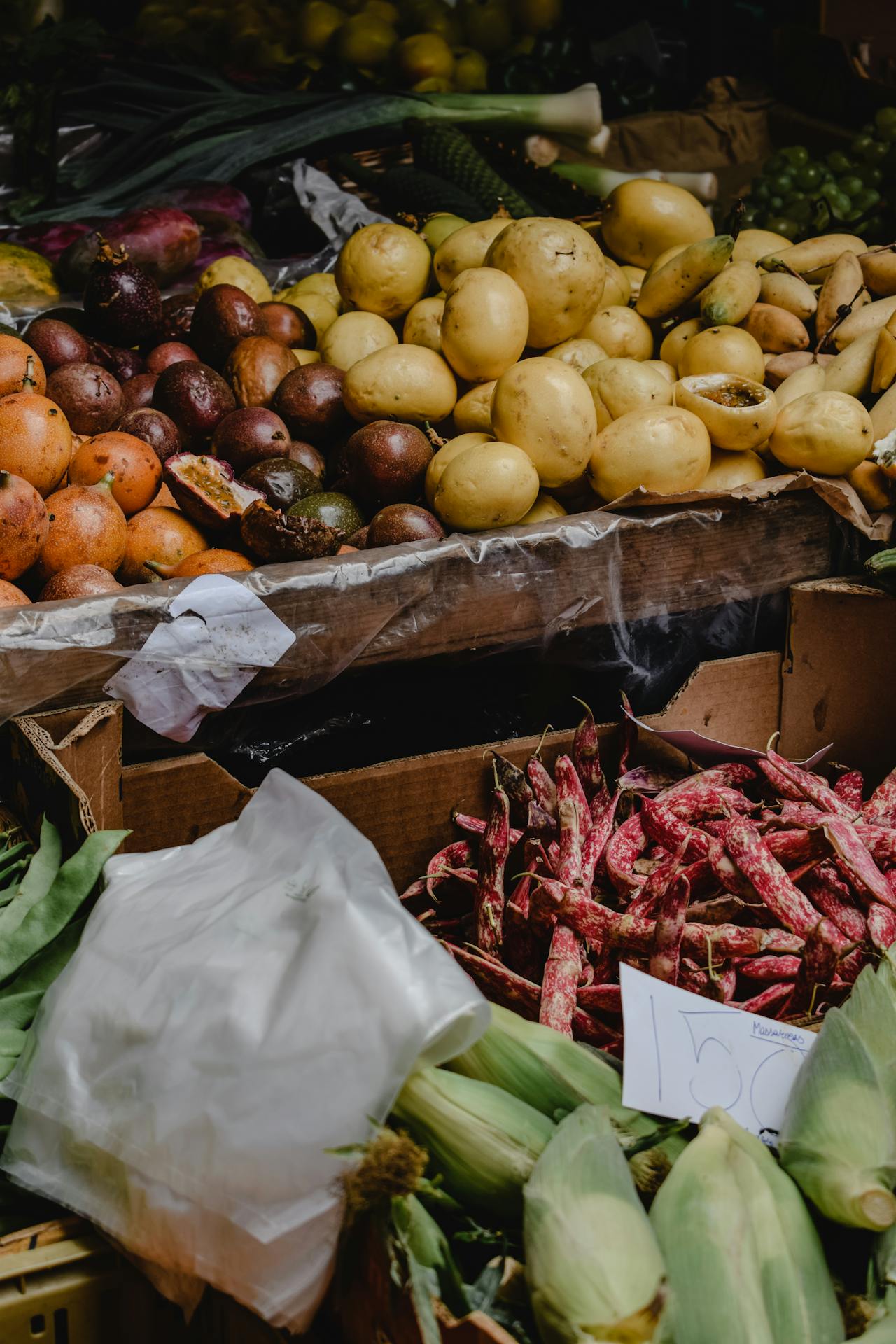
    Black beans, flor de mayo, and other regional varieties are packed with plant based protein and fiber. But more importantly, they’re eaten consistently, often daily, and prepared in ways that maximize both flavor and nutrition.

    Simmered slowly with herbs, blended into smooth pastes, or served alongside meals, beans provide a steady, reliable protein source that has fueled generations.

    👉 Simple, affordable, and deeply nourishing.


    🌽 Corn + Beans = Complete Protein

    One of the most powerful (and often overlooked) aspects of traditional Mexican diets is the combination of corn and beans.

    When eaten together, they form a complete protein, meaning they provide all essential amino acids your body needs.

    Think:

    • Fresh tortillas with a side of beans
    • Tlayudas layered with asiento and legumes
    • Enfrijoladas wrapped in soft corn tortillas

    This pairing is not accidental. It’s ancestral knowledge.

    👉 No protein powder needed.


    🐟 Fresh, Local Protein Sources

    Oaxaca’s geography brings access to both mountains and coastline, which means a wide variety of natural protein sources.

    • Fresh fish and seafood along the coast
    • Pasture raised meats in rural communities
    • Eggs from locally raised chickens

    These proteins are typically less processed and more nutrient dense than what you’ll find in industrialized food systems.

    👉 Quality over quantity, always.


    🧀 Traditional Cheeses

    Oaxacan cuisine includes beautiful, minimally processed cheeses that add both flavor and protein.

    Quesillo (Oaxacan string cheese) is a standout. It’s rich, satisfying, and used in everything from tlayudas to empanadas.

    Unlike heavily processed cheeses, traditional versions are made with simple ingredients and time honored methods.


    🥬 Balanced, Not Extreme

    What makes Oaxacan food truly powerful is its balance.

    Meals aren’t built around a single macronutrient. Instead, they combine:

    • Protein from beans, meats, and cheese
    • Complex carbohydrates from corn
    • Micronutrients from herbs, vegetables, and chiles

    It’s a naturally complete way of eating that supports energy, strength, and long term health.


    🌺 Rooted in Culture, Not Diet Trends

    Oaxacan food doesn’t label itself as “high protein.” It doesn’t need to.

    It’s a cuisine shaped by land, seasonality, and community. Meals are made from what’s available, cooked with care, and shared with intention.

    The result is food that nourishes deeply, without shortcuts or processing.


    🌱 Final Thought

    If you’re looking to eat more protein, you don’t need to look further than tradition.

    Oaxacan cuisine shows us that real, whole foods, prepared simply and eaten consistently, are more than enough.

    No powders. No labels. Just food that works.

    And it has been working for generations.

  • The Nopalvia Guide to Dried Chiles

    The Nopalvia Guide to Dried Chiles

    Ancho, pasilla, mulato, chilhuacle, every chile has a personality.

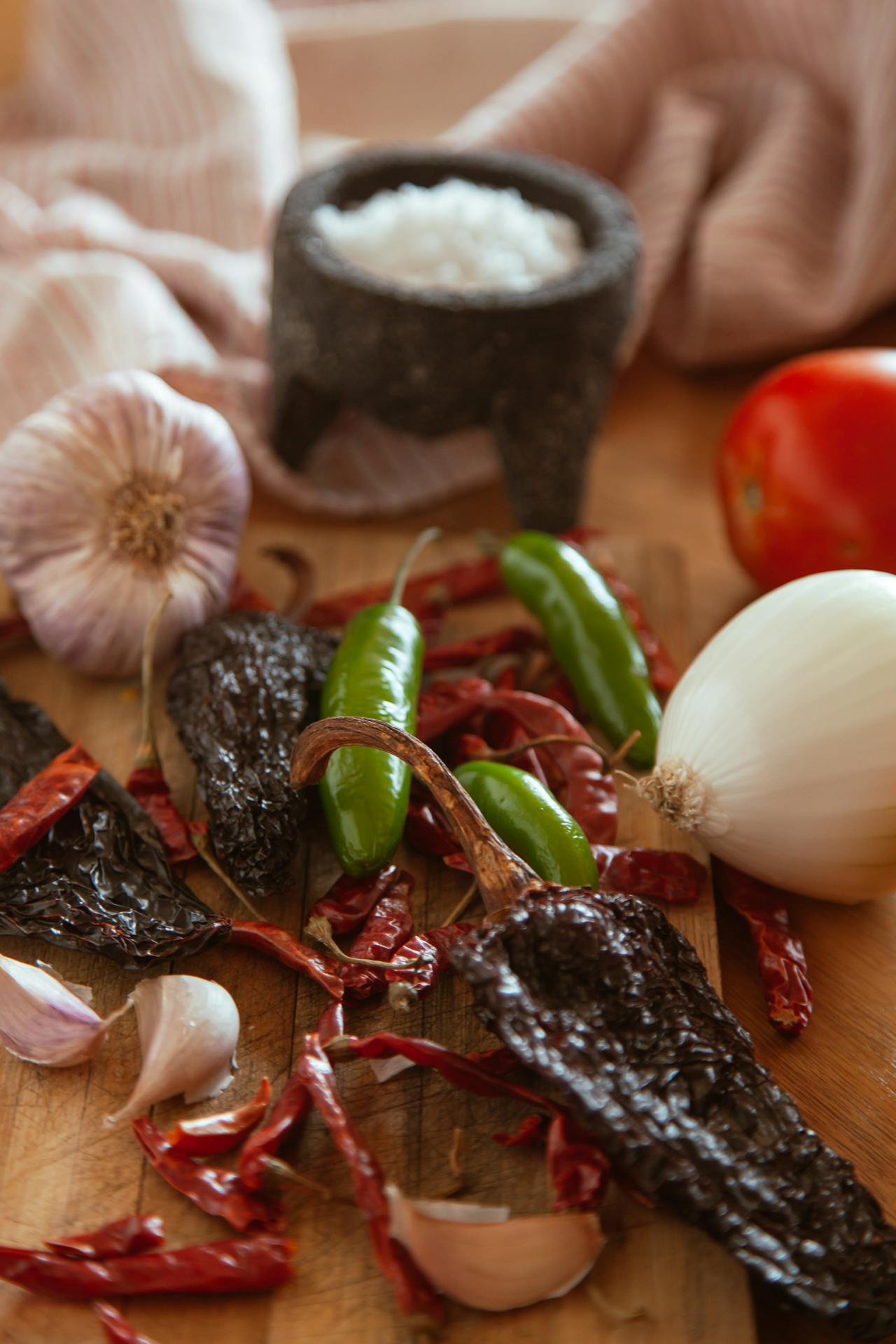
    If you’ve ever stepped into a Oaxacan kitchen, you already know: chiles aren’t just ingredients, they’re storytellers. They carry history, geography, and generations of flavor in every wrinkle and seed. In Oaxaca, dried chiles are the backbone of some of the most iconic dishes (hello, mole), and learning how to use them is like unlocking a whole new level of cooking.

    So let’s break it down. Whether you’re building your pantry or leveling up your recipes, here’s your go to guide to the essential dried chiles and how to use them like you mean it.


    🌶️ Why Dried Chiles Matter

    Drying chiles isn’t just about preservation, it transforms them. Fresh, grassy heat becomes deep, rich complexity. Notes of chocolate, tobacco, dried fruit, and earthiness come forward, making dried chiles perfect for sauces, marinades, and stews.

    In Oaxacan cuisine, dried chiles are often blended, toasted, soaked, and layered together to create something truly magical.


    🔥 The Core Chiles You Should Know

    Ancho Chile (The Comforting One)

    Flavor: Mild heat, sweet, raisin like, slightly smoky
    Best for: Mole, enchilada sauces, marinades

    Anchos are dried poblano peppers and are one of the most approachable chiles out there. They bring warmth without overwhelming heat, making them perfect for building flavor depth.

    👉 Keep this stocked if you love rich, slightly sweet sauces.


    Pasilla Chile (The Sophisticated One)

    Flavor: Medium heat, earthy, cocoa like, slightly bitter
    Best for: Moles, salsas, soups

    Long and dark, pasillas add complexity and a subtle bite. They’re often used alongside other chiles to balance sweetness with depth.

    👉 Think of pasilla as your “flavor enhancer.”


    Mulato Chile (The Bold One)

    Flavor: Mild to medium heat, chocolatey, licorice, smoky
    Best for: Mole negro, complex sauces

    Mulato chiles look similar to anchos but are darker and richer in flavor. They’re essential in traditional Oaxacan mole recipes.

    👉 If ancho is sweet, mulato is deeper and more mysterious.


    Chilhuacle Chile (The Rare Gem)

    Flavor: Complex, aromatic, slightly spicy, deeply earthy
    Best for: Authentic Oaxacan mole (especially mole negro and rojo)

    This is the crown jewel of Oaxacan chiles and one of the hardest to find. Chilhuacle chiles are native to Oaxaca and deeply tied to its culinary identity.

    👉 If you ever get your hands on one, treat it with respect. This is heritage in chile form.


    🧑‍🍳 How to Use Dried Chiles (Like a Pro)

    Before you toss them into a recipe, here’s how to unlock their full potential:

    1. Toast them lightly
      Heat them on a dry pan for a few seconds per side until fragrant. Don’t burn them, bitterness is not the goal.
    2. Remove seeds and stems
      This helps control bitterness and texture.
    3. Soak in hot water
      Let them soften for 10 to 20 minutes.
    4. Blend into sauces
      This is where the magic happens, smooth, rich, deeply flavorful bases.

    🧂 Pantry Staples: What to Always Have

    If you’re just getting started, keep these on hand:

    • Ancho
    • Pasilla
    • Guajillo (bonus: bright, tangy heat)

    If you’re ready to go deeper:

    • Mulato
    • Chilhuacle (when you can find it)

    🌺 Honoring the Culture

    Oaxacan cuisine is one of the most diverse and celebrated in Mexico and its relationship with chiles runs deep. These ingredients aren’t trends, they’re traditions passed down through generations, often prepared by hand with care and intention.

    Cooking with dried chiles isn’t just about flavor, it’s about connection. To land, to culture, and to the people who have preserved these techniques for centuries.


    🌶️ Final Thought

    Every chile has a role. Some bring sweetness, others depth, others heat, but together, they create harmony.

    So next time you’re in the kitchen, don’t just add a chile, build with it. Layer it. Respect it.

    That’s the Oaxacan way.

    And now, it’s yours too.